


4468-1 LED polstret flytende sengeramme
Den flytende sengerammen er en perfekt blanding av teknologi og estetikk. Med en futuristisk desi
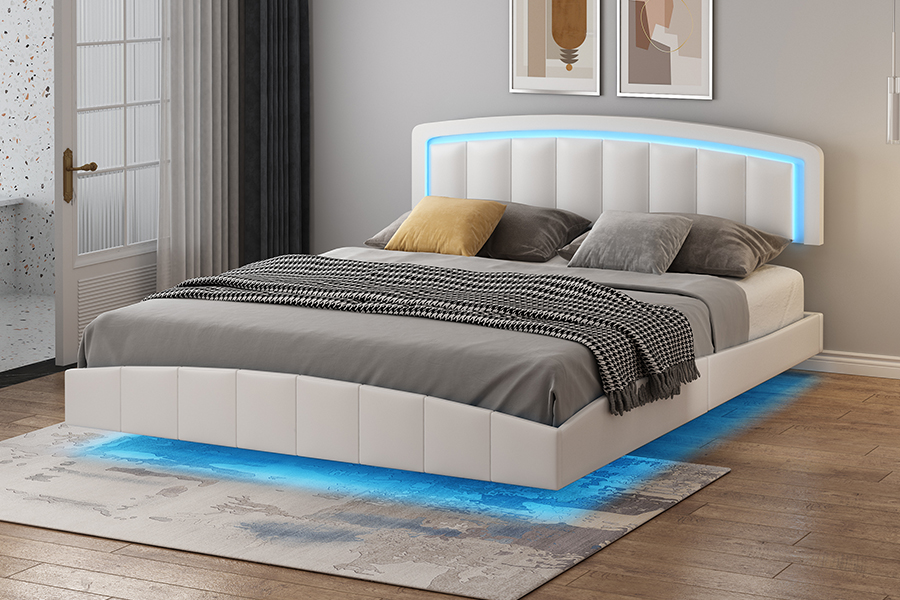
Den flytende sengerammen er en perfekt blanding av teknologi og estetikk. Med en futuristisk desi
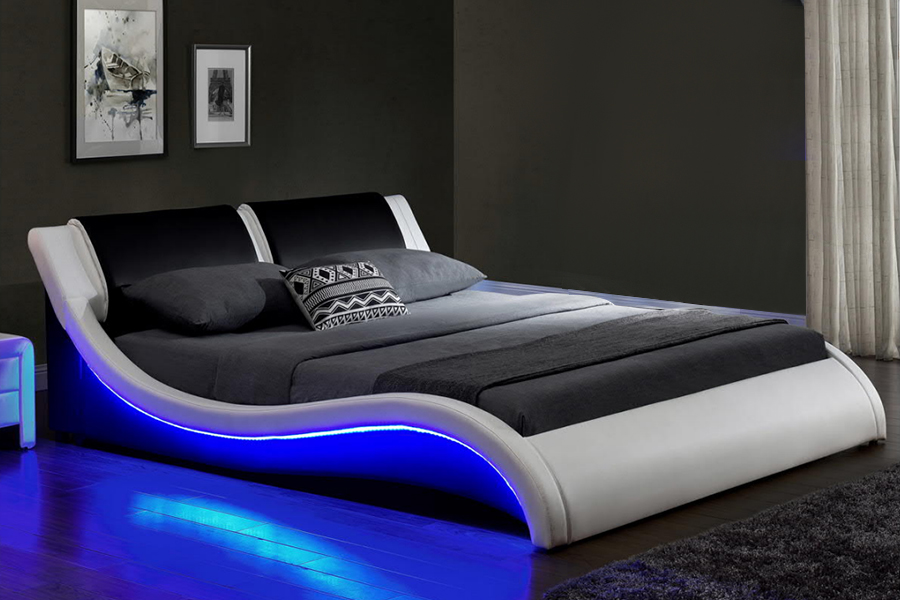
Gå inn i fremtiden for soveromsdesign med vår futuristiske LED Wave Bed. Dette er ikke bare en
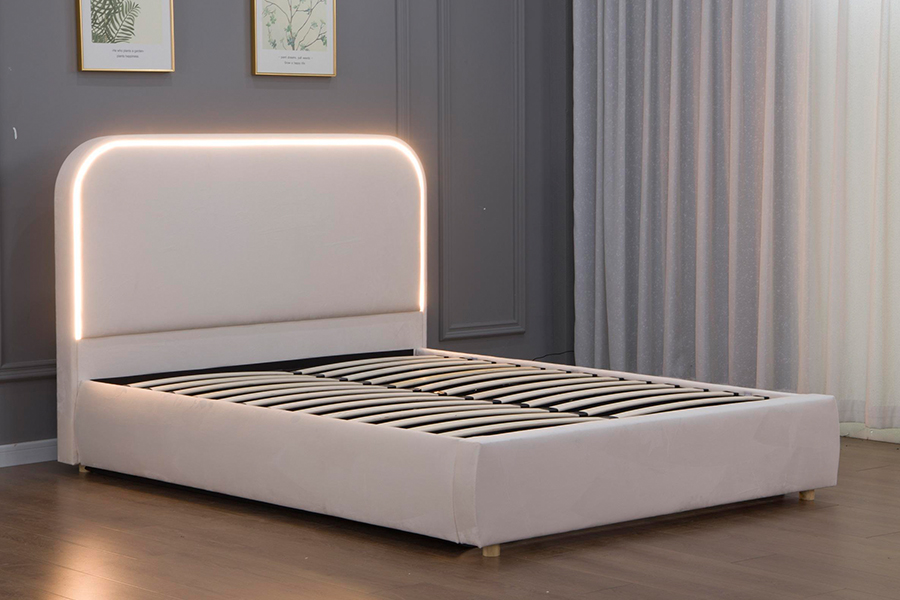
Sengerammen 5032-1G blander sømløst elegant, moderne design med funksjonell innovasjon. Dens re
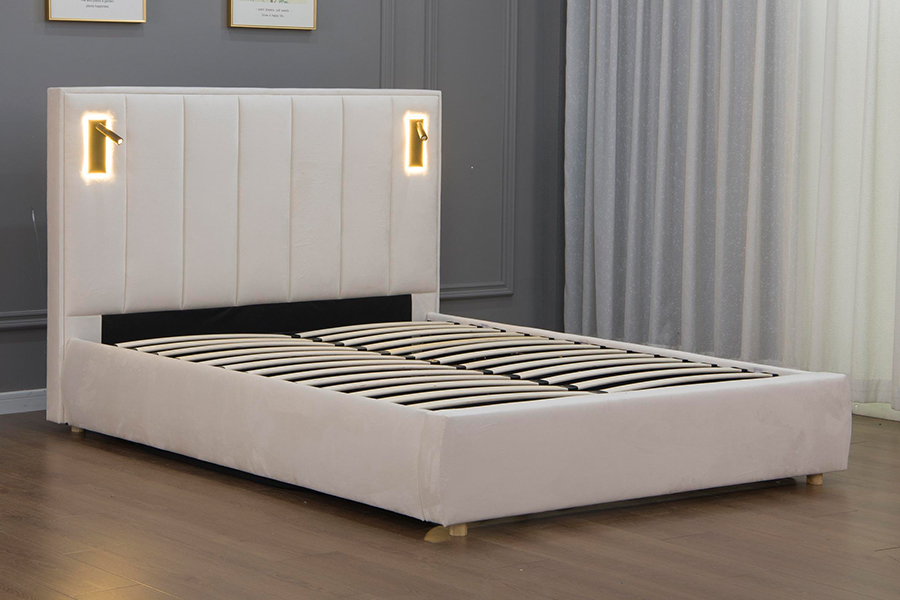
Denne moderne hydrauliske oppbevaringssengen tilbyr et sofistikert midtpunkt for ethvert soverom.
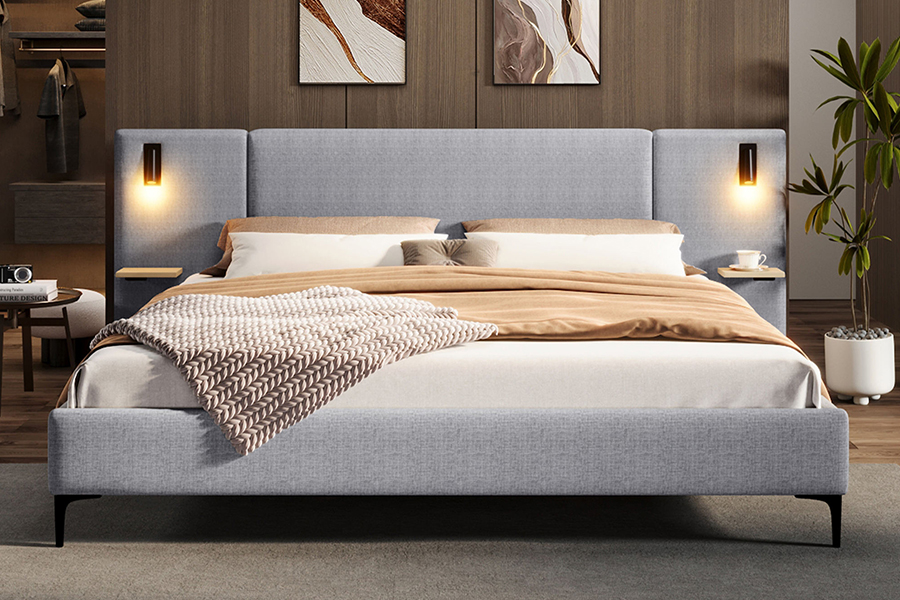
N1 mørkegrå slitesterkt stoff, solid lamell LED-polstret sengeramme kombinerer moderne stil og
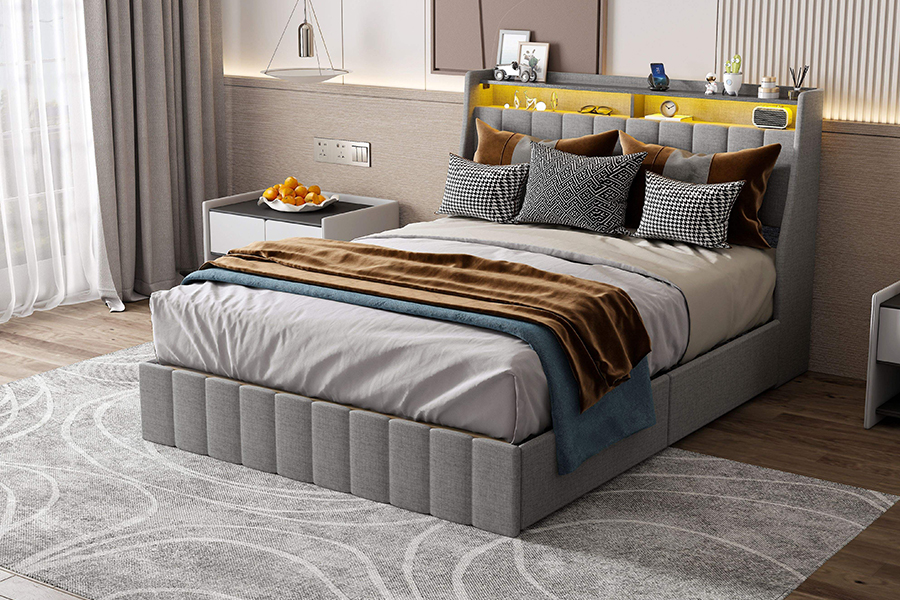
Den N2 grå stoffsengen miljøvennlige materialer LED-polstret sengeramme kombinerer moderne eleg
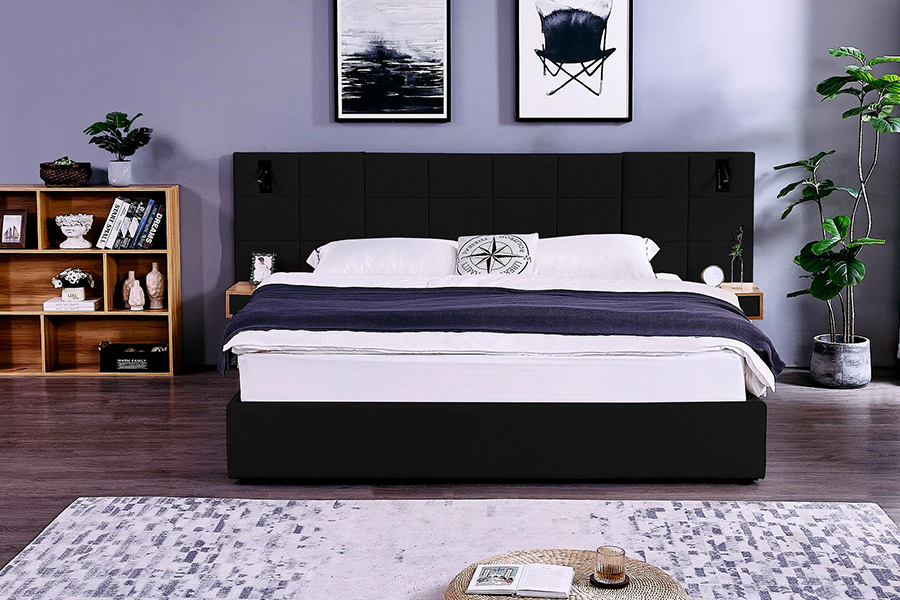
N6 justerbar sengeramme mykt sengemateriale LED-polstret sengeramme kombinerer moderne komfort me
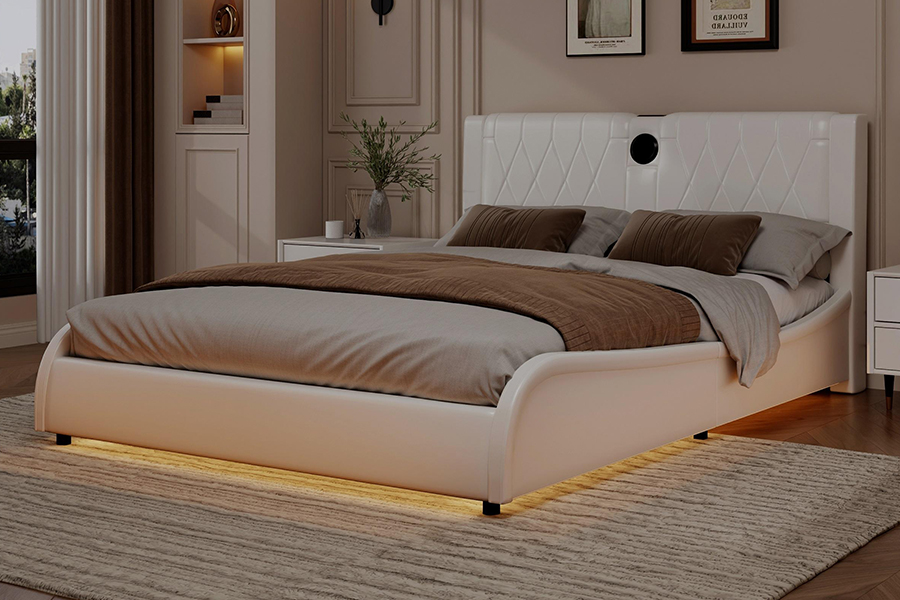
N8 justerbar plattformseng moderne hvit myk seng LED-polstret sengeramme gir et rent, moderne uts
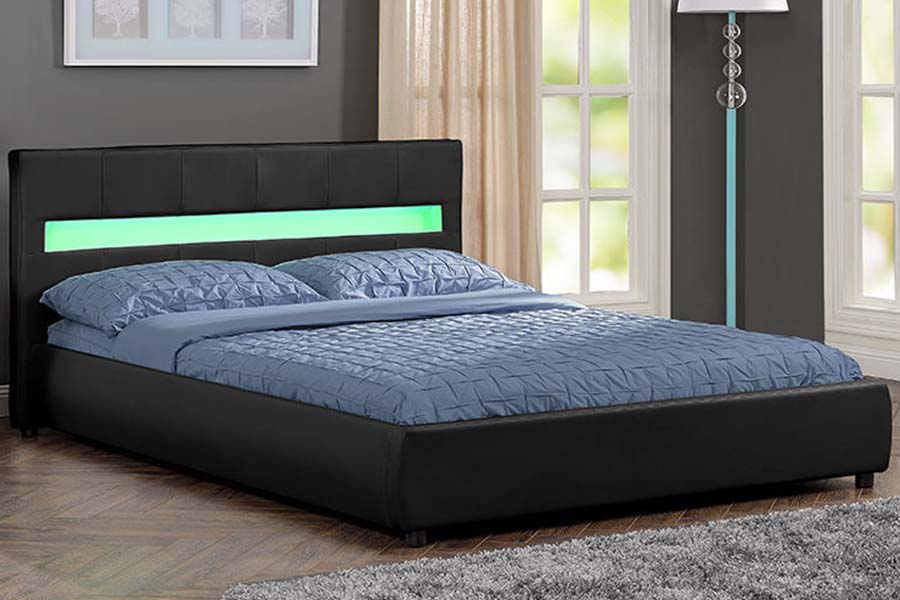
1813 White PU Soft Bed – en perfekt blanding av moderne eleganse og smart funksjonalitet for da
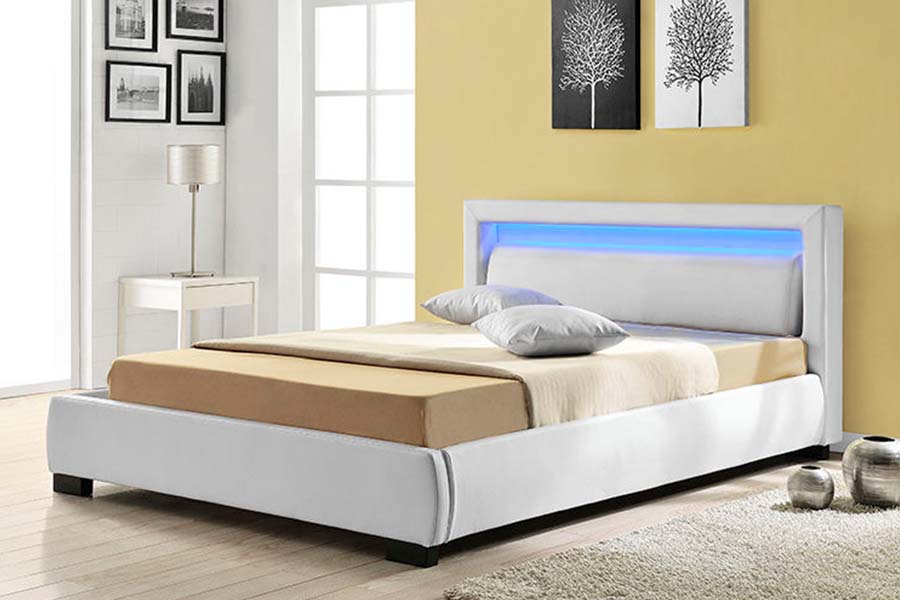
Møt den moderne moderne LED-polstrede sengerammen fra 1857 – fremtiden for soveromskomfort, n
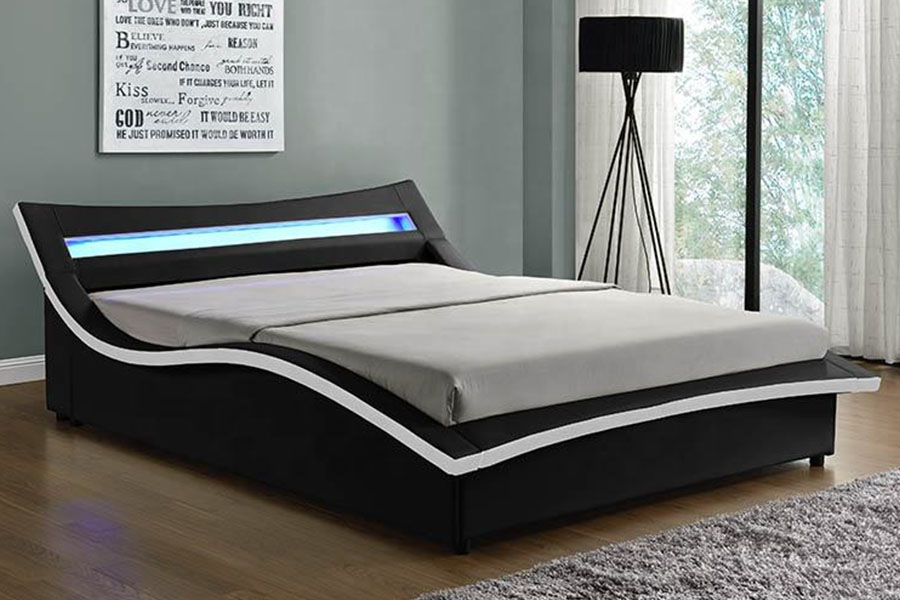
1877 Luxury PU Leather LED Polstret Sengerammen er et sofistikert soveroms midtpunkt som sømløs
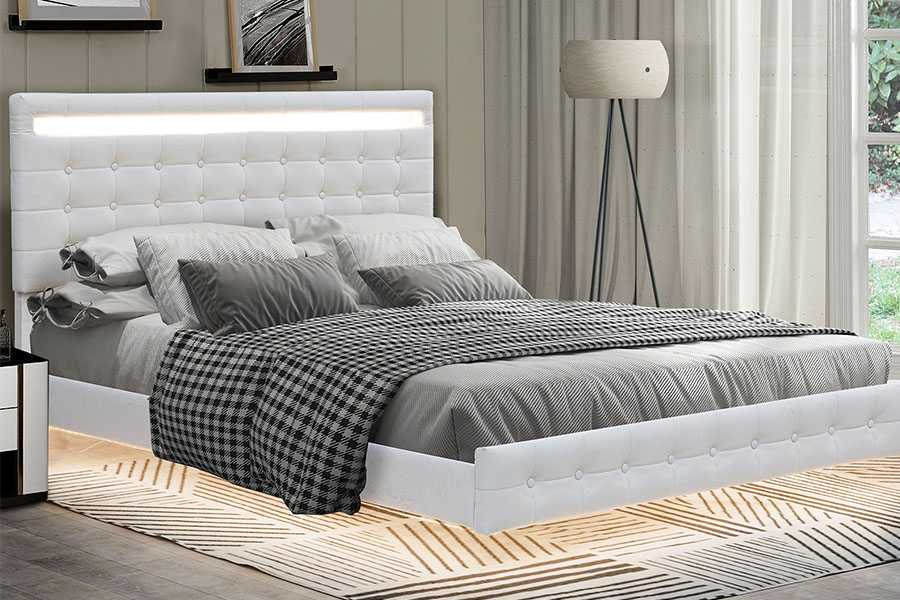
4209 King-Size Justerbar LED Polstret Sengeramme er en banebrytende soveromsmøbelløsning design
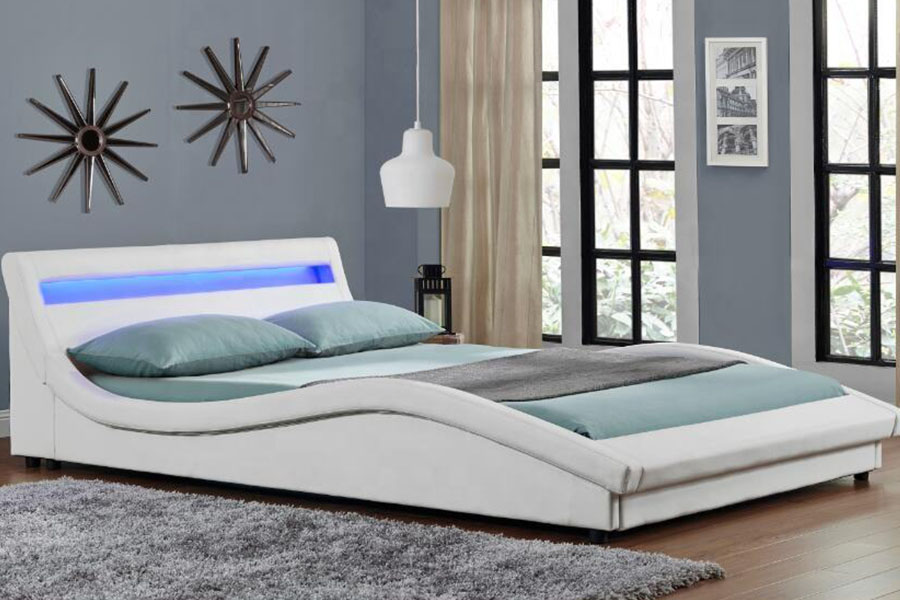
1111-1 europeisk stil PU Leather LED Polstret Sengeramme er et luksuriøst og visuelt imponerende
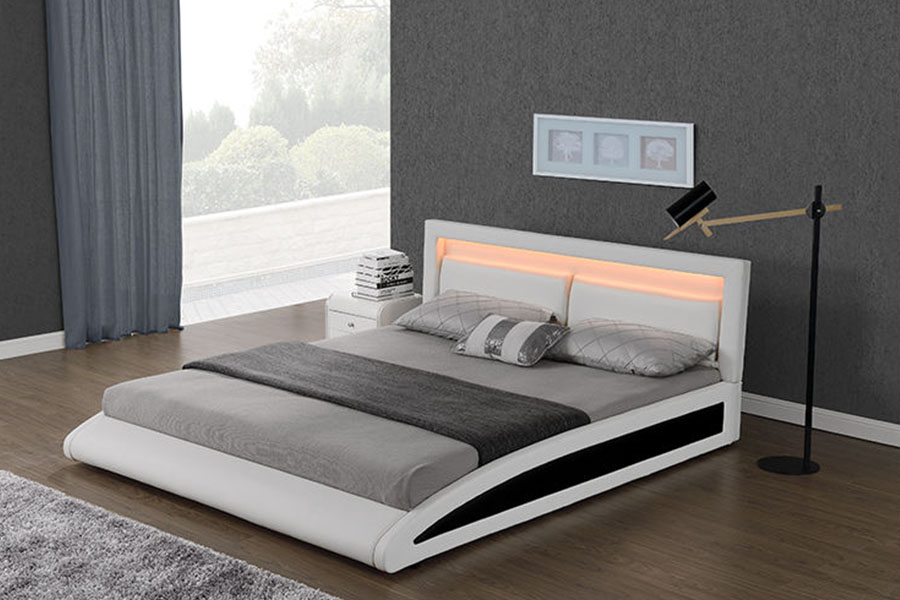
1118-1-2 buet europeisk kunstskinn Smart LED-sengeramme er et design-fremover soveromsmøbel som
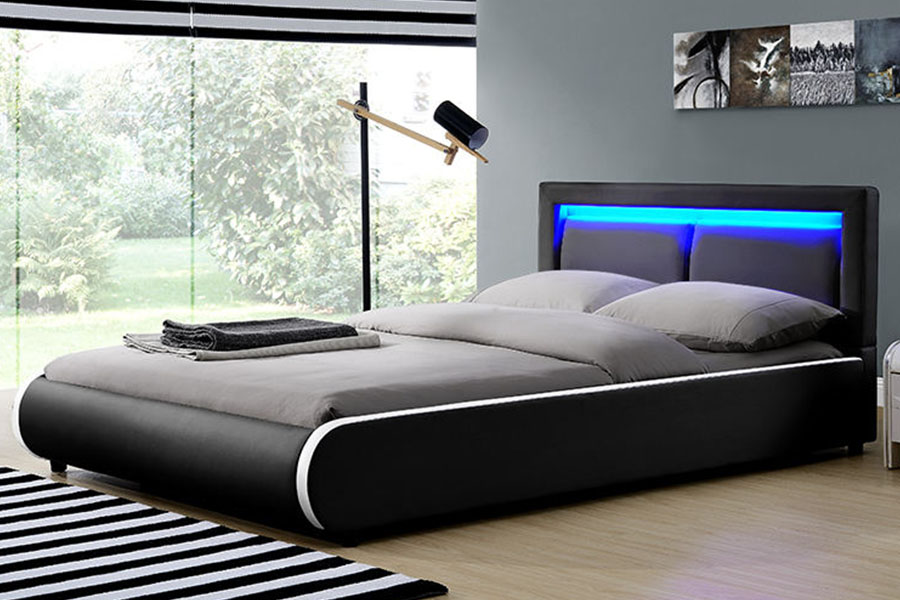
Den moderne europeiske 1124-1 LED-polstret sengeramme i skinn er et enestående eksempel på mode
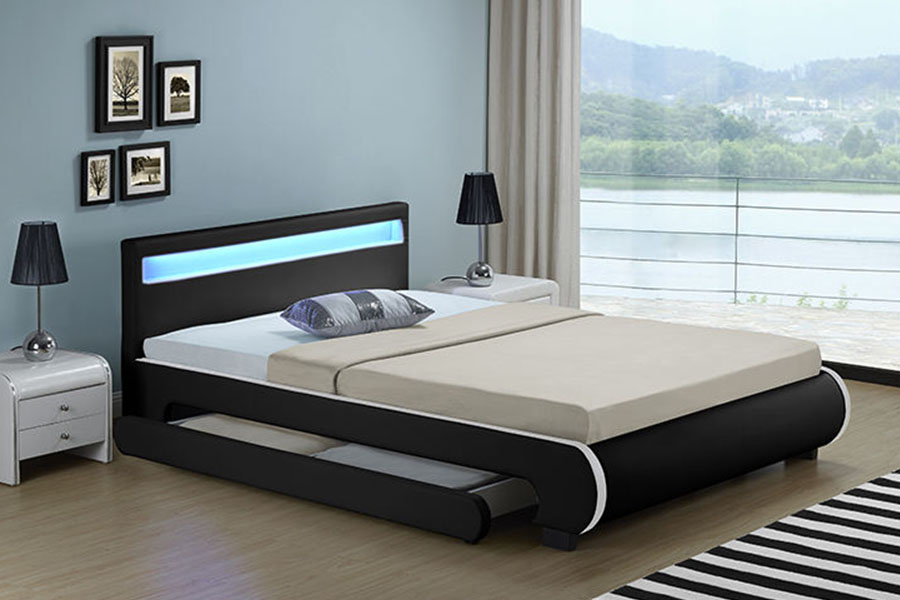
1135-1D LED-oppbevaringspolstret skuff i PU-skinnseng er et smart konstruert soveromsmøbel som l
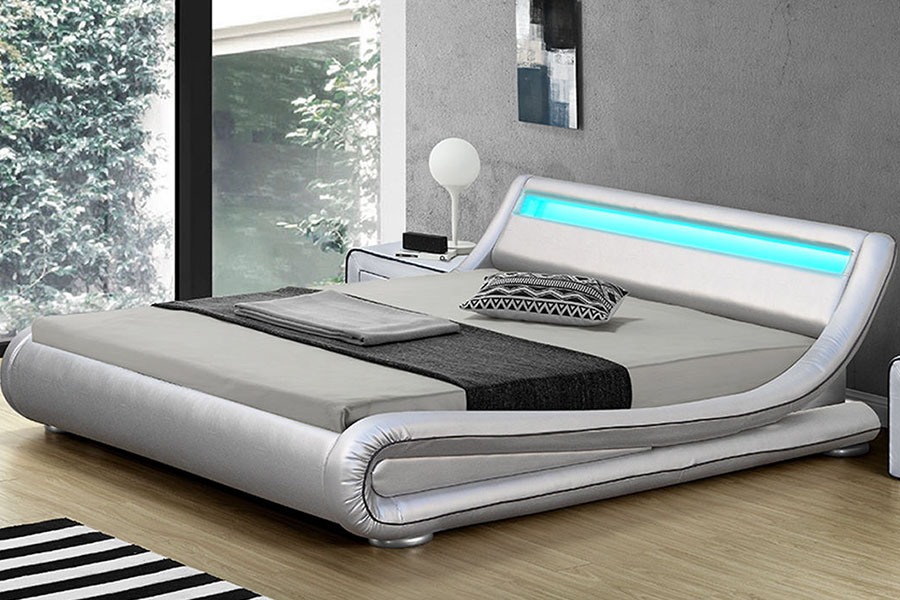
1137-1 Smart LED King Storage Leather Polstret Sengeramme er en multifunksjonell førsteklasses s
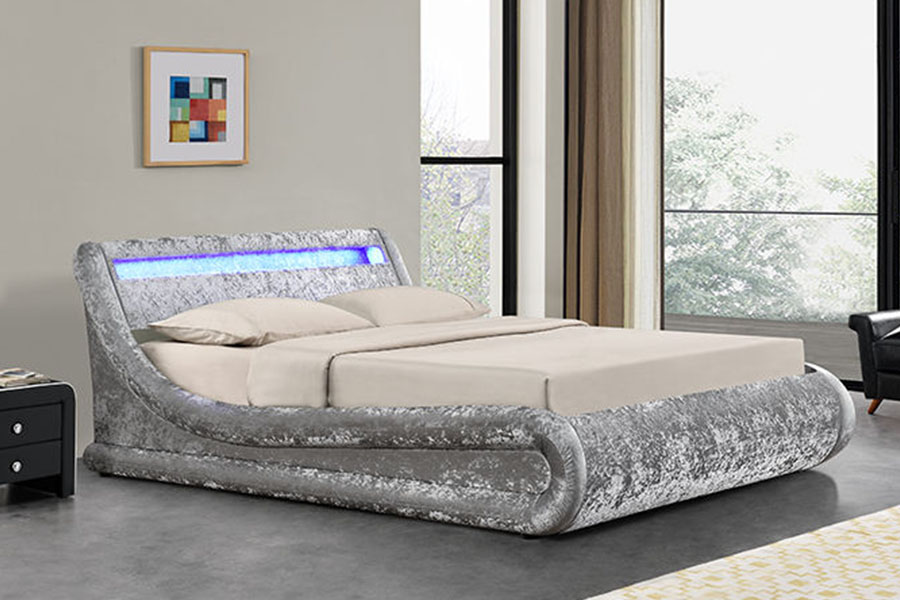
Den 1138-1G bølgelignende LED Gas Lift Ottoman PU Leather Bed er et visuelt dramatisk og teknisk
Den polstrede LED-sengerammen redefinerer det tradisjonelle sengedesignet ved å sømløst kombinere moderne teknologi med ultimat søvnkomfort. Hver sengeramme er utstyrt med et justerbart LED-belysningssystem, slik at du kan tilpasse lysstyrken og fargen på lysene basert på dine personlige preferanser og den skiftende stemningen på soverommet ditt. Enten det er den varme gløden av hvitt lys eller den beroligende blå nyansen, hjelper disse lysene med å skape den ideelle atmosfæren for avslapning og dyp søvn.
Dessuten kan de fargeskiftende LED-lysene umiddelbart forvandle hele stemningen i rommet ditt, sette stemningen for et romantisk, rolig eller energigivende miljø. Hver detalj er gjennomtenkt utformet for å forbedre din livsopplevelse til det fulle.
Den myke polstringen kombinert med en sengeramme av høy kvalitet skaper en soveplass som er både komfortabel og moderne. Enten du leter etter en god natts søvn eller bare nyter en rolig tid i sengen, passer denne innfatningen perfekt for dine behov. Det er ikke bare et sted å sove – det er en integrert del av boarealet ditt, og forbedrer din generelle hjemmeopplevelse.


Den nøyaktige lengden på en britisk king size seng En britisk king size-seng måler 200 cm (6'6") i lengde og 150 cm (5'0") i bredden. Det er madrassstørrelsen hele bransjen bygger rundt, fra produsenter av sengetøy til rammeleverandører, så når no...
Se merFinn kilden før du fikser den Hvert knirk har en nøyaktig adresse, selv når det føles som om det kommer fra overalt på en gang. Før du strekker deg etter olje eller en skiftenøkkel, bruk to minutter på å spore støyen ned – det er det enkelt trinnet som sparer m...
Se merHvorfor soveromsmøbler er mer sårbare enn de ser ut til Et veltet glass vann på et nattbord, en luftfukter som lekker over natten, et vindu som står åpent under en storm - ingen av disse føles som nødsituasjoner på den tiden. Men soveromsmøbler sitter nærmere daglige ...
Se merWhen embedding LED components into an upholstered bed frame, manufacturers must balance illumination performance with long-term durability. Moisture-resistant LED strips, reinforced cable routing, and low-heat drivers prevent deterioration under fabric layers. High-quality foam and padding should not compress the wiring excessively; otherwise, micro-bending damage may occur over time. Many factories now incorporate concealed channels made from thin ABS or aluminum sleeves inside the frame to ensure stable wiring protection without affecting the softness of the upholstery.
LED lighting built into a bed frame serves more than decoration—it enhances nighttime mobility and sleep safety. Soft under-bed lighting prevents sudden exposure to strong brightness during midnight movements, helping maintain melatonin levels. Adjustable brightness ensures the lighting supports activities such as reading, relaxing, or safe walking. In modern production, motion-sensor modules can be added to trigger lights automatically with foot movement, minimizing sleep disruption for bed partners.
Not all upholstery fabrics react the same way to light or heat. Velvet and microfiber absorb light and provide a soft glowing effect around the LED strips, while leather and PVC reflect light more intensely and may require diffusers to avoid glare. Fabrics with higher thermal resistance extend the lifespan of the lighting system by preventing heat accumulation. In some cases, woven materials with slight translucence can create a unique halo effect when paired with embedded LED piping.
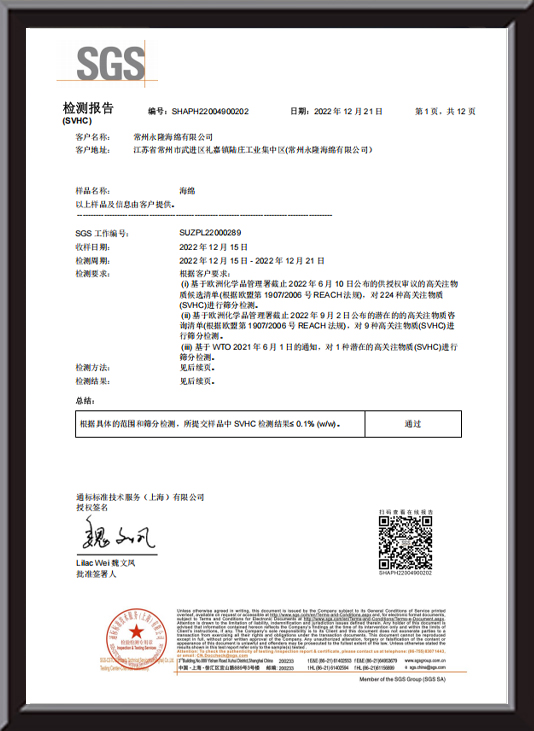
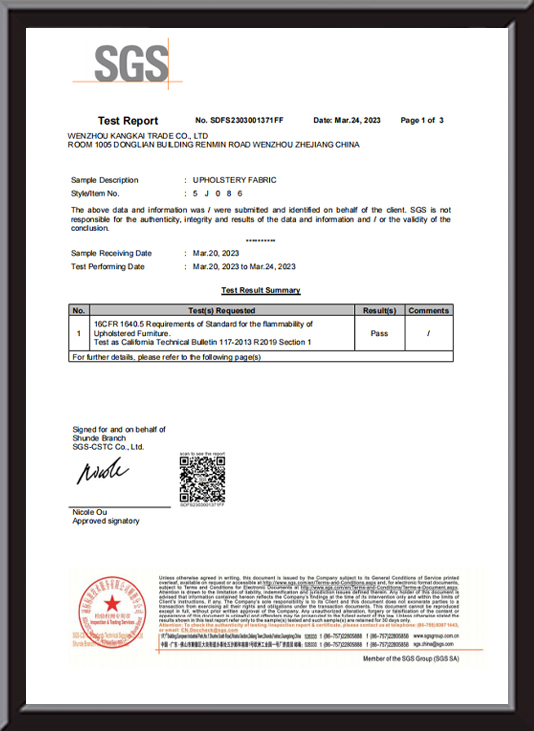
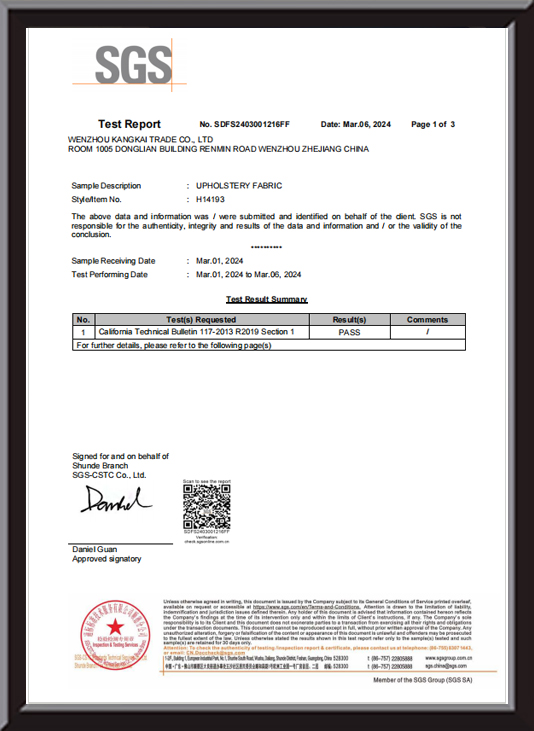
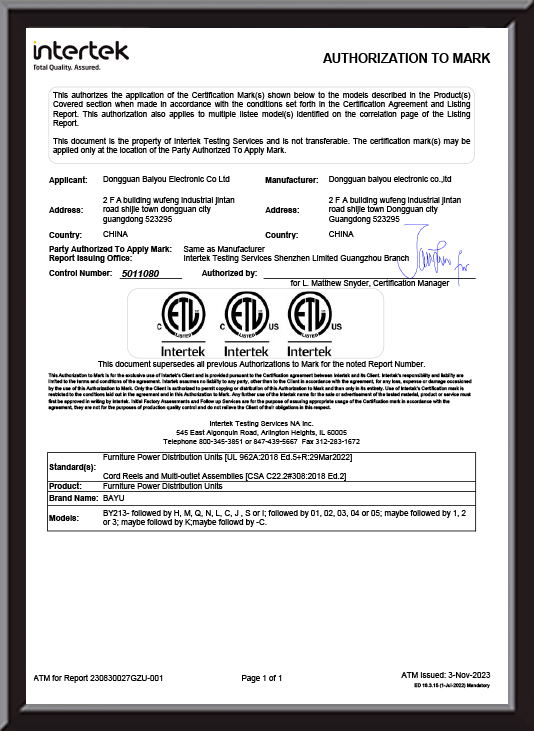
LED upholstered bed frames require stable low-voltage power management to ensure user safety. Manufacturers typically use 12V or 24V power systems that comply with international safety certifications. Over-current and short-circuit protection modules must be embedded within the frame, especially when the bed structure is metal-based. For markets with strict compliance requirements, flame-retardant foam and certified power adapters help manufacturers meet global export standards.
The control system affects user experience and production cost. While traditional remote controllers remain popular due to their simplicity, smartphone app controls allow for more advanced features such as custom color cycles, sleep timers, and voice integration. Touch-sensitive panels embedded within the headboard provide an intuitive option but require enhanced structural reinforcement to avoid fabric deformation affecting the sensor’s accuracy.
| Control Type | Advantages | Limitations |
| Remote Control | Simple, low cost, user-friendly | Limited functions, easy to misplace |
| App Control | Advanced settings, color modes, automation | Requires Wi-Fi/Bluetooth stability |
| Touch Panel | Integrated design, fast response | Higher production cost and structural demands |
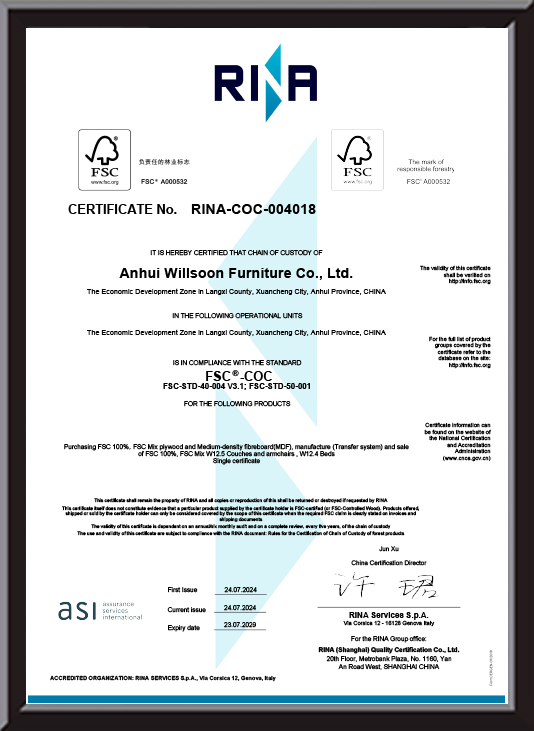
With increasing emphasis on sustainable furniture production, LED bed frames are shifting toward energy-efficient lighting solutions and recyclable materials. LED systems with ultra-low power consumption support green manufacturing initiatives while reducing long-term user energy costs. Upholstery producers often choose water-based adhesives, FSC-certified wood, and environmentally safe foams. Long-life LED modules decrease replacement frequency, reducing electronic waste and improving the product’s environmental footprint.

Baishijian Rd, Langxi Economic Development Zone, Langxi, Anhui 242100, Kina
+86 563 7375018 (Kontor)
+86 15956277532 (Mobil)
[email protected] (E-post)
Kontakt oss for den siste inspirasjonen og vår nyeste produktkatalog.
